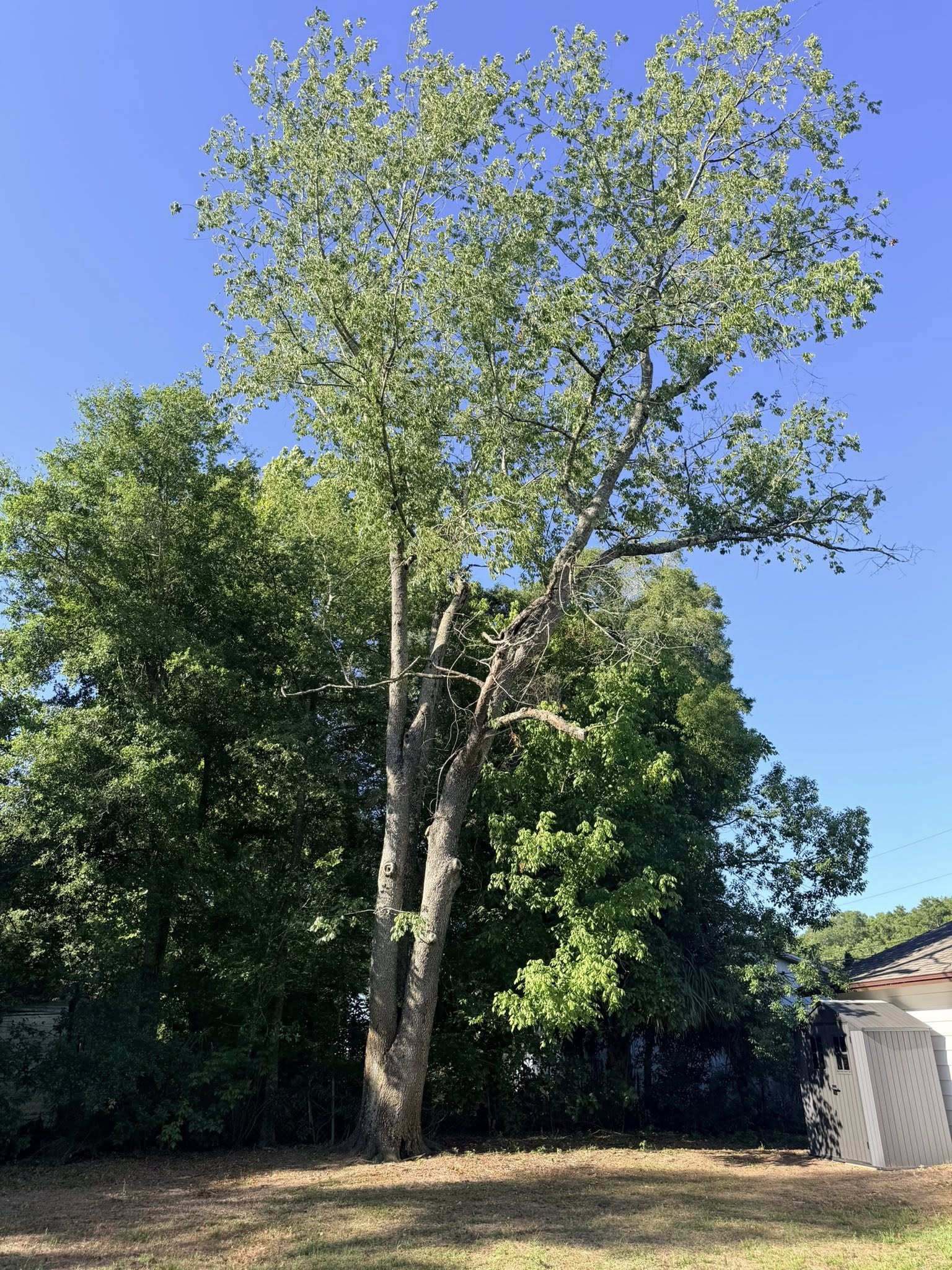
Seasonal Tree Care: What Your Trees Need Throughout the Year Apr 19, 2026
As winter draws to a close and we welcome spring, it’s the perfect time to inspect your trees for any potential damage caused by harsh winter weather. Look out for cracks in the bark, broken branches, or signs of disease. Spring is the ideal season for pruning deciduous trees, as they begin to emerge from dormancy, allowing you to shape them before the leaves return. Pruning helps remove dead wood and encourages new growth, giving your trees a stronger and healthier structure. Moreover, apply a slow-release fertilization to provide essential nutrients that will support their growth throughout the year.
Summer brings warmer temperatures and, with them, the need for regular watering. Trees are more susceptible to drought stress during this season, especially newly planted and young trees. Ensure that your trees receive adequate water by setting a watering schedule that accommodates their needs. Mulching is beneficial during these hotter months as it retains soil moisture, regulates temperature, and suppresses weed growth, all of which contribute to better tree health. Moreover, be on the lookout for pests and diseases, and treat any infestations promptly with the appropriate measures.
In the fall, trees begin to prepare for the colder months ahead by slowing down their growth. This season is an opportune time to conduct a thorough inspection of your trees, identifying any branches that might pose a risk during winter storms. Remove weak or dead branches to prevent damage. Fall is also ideal for planting new trees, as the cooler weather and increased soil moisture create favorable conditions for root establishment. Applying a new layer of mulch before winter can also protect the roots against freezing temperatures.
Winter, though it may seem like a time for rest, is crucial for preventive tree care. The absence of leaves makes it easier to assess the tree’s structure and conduct necessary pruning. Winter pruning can be advantageous as it minimizes the chance of disease spread and enhances the tree's growth once spring arrives. Protect your trees from harsh winter conditions by wrapping them or using tree guards. This is especially important for young or thin-barked trees that are more susceptible to frost cracks and animal damage.
In conclusion, understanding and implementing seasonal tree care can significantly enhance the health and longevity of your trees. Whether it’s pruning in the spring, watering in the summer, planting in the fall, or protecting in the winter, each season holds unique requirements that contribute to your trees’ overall well-being. At All Around Guys Tree Service, we are committed to helping you with expert advice and services tailored to your trees' specific needs all year round. Maintaining this seasonal routine ensures your trees remain a beautiful and beneficial part of your landscape for years to come.