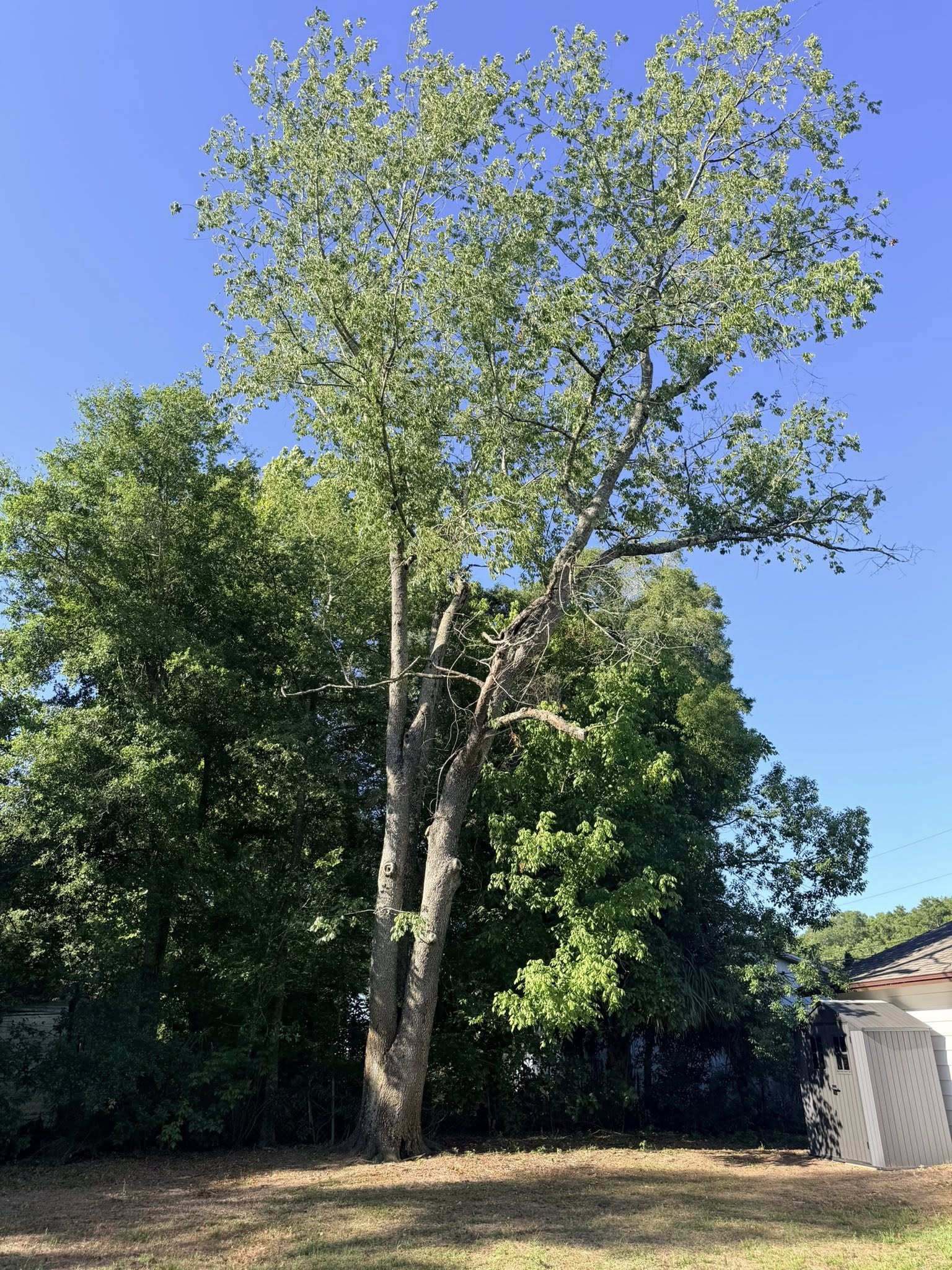
The Impact of Tree Roots on Urban Infrastructure: What You Should Know Jul 13, 2026
Tree roots naturally seek out moisture and nutrients necessary for growth, often extending far beyond the tree canopy. In urban areas, where soil moisture can be unevenly distributed, roots can and do interfere with infrastructure like sidewalks, streets, and underground utilities. These roots are critical for tree stability, anchoring these natural giants while actively seeking the elements they need to thrive.
One of the primary impacts of tree roots on urban infrastructure is the damage they inflict on sidewalks and roadways. As roots grow and expand, they might dislodge concrete slabs, leading to uneven walking surfaces and potential trip hazards. Not only does this raise safety concerns for pedestrians, but it also presents liability issues for property owners and municipalities responsible for maintaining these surfaces.
Furthermore, underground utilities such as water pipes, sewage lines, and electrical cables can be compromised by invasive tree roots. When roots invade these systems, they can cause blockages, leaks, and even breaks, leading to costly repairs and potential service disruptions. In worst-case scenarios, these incidents could lead to water contamination or hazardous situations requiring immediate attention.
Faced with these challenges, what can property owners and urban planners do to mitigate the effects of tree roots on infrastructure? The key lies in strategic tree planning and proper maintenance. Urban planners should prioritize selecting tree species with less aggressive root systems for city planting. These species typically have root systems that grow more downward than outward, minimizing the risk of damage to infrastructures.
Regular maintenance, such as professional tree trimming and root pruning, is another critical measure in managing tree roots. By controlling root growth, property owners can limit the potential for damage while still enjoying the benefits of urban trees. Innovative solutions like root barriers can also be installed to redirect root growth, effectively preventing them from encroaching on sensitive areas.
Additionally, advances in technology offer promising avenues for preventing infrastructure damage. For instance, reinforced permeable concrete surfaces can accommodate root growth while maintaining sidewalk integrity. Similarly, flexible utility pipes are designed to withstand pressure from roots without breaking.
It's important to consider the role of professional services in managing these issues effectively. Companies like All Around Guys Tree Service provide expertise in assessing potential tree-root conflicts and suggesting proper solutions. Their knowledge and tools can help prevent damage before it arises and ensure that necessary maintenance is properly executed, providing peace of mind to property owners.
In conclusion, while tree roots are an essential component of these venerable plants, their interaction with urban infrastructure requires proactive management. Through careful planning, strategic selection of tree species, and ongoing maintenance, it’s possible to harmonize the coexistence of urban trees with city infrastructure. Addressing these challenges not only preserves the beauty and functionality of urban environments but also underscores the importance of sustainable living in growing metropolitan areas. For property owners, engaging with professional tree service providers is a step towards sustainable urban management. It ensures that trees can continue to offer their many benefits without disrupting the fabric of city life.